Authored By-Odonnell Kaae
Think of a future where you no more need to count on glasses or get in touch with lenses to see clearly. A future where vision improvement is as simple as a quick, painless procedure.
Well, that future is closer than you could think. Introducing refractive lens exchange, an innovative technique to correcting your vision that could alter the method you see the world.
However exactly what is refractive lens exchange, and why is it considered the future of vision adjustment? In this discussion, we will certainly check out the benefits, the procedure, and the prospective risks of refractive lens exchange, providing you a glimpse right into what exists ahead for those seeking clearer vision.
The Benefits of Refractive Lens Exchange
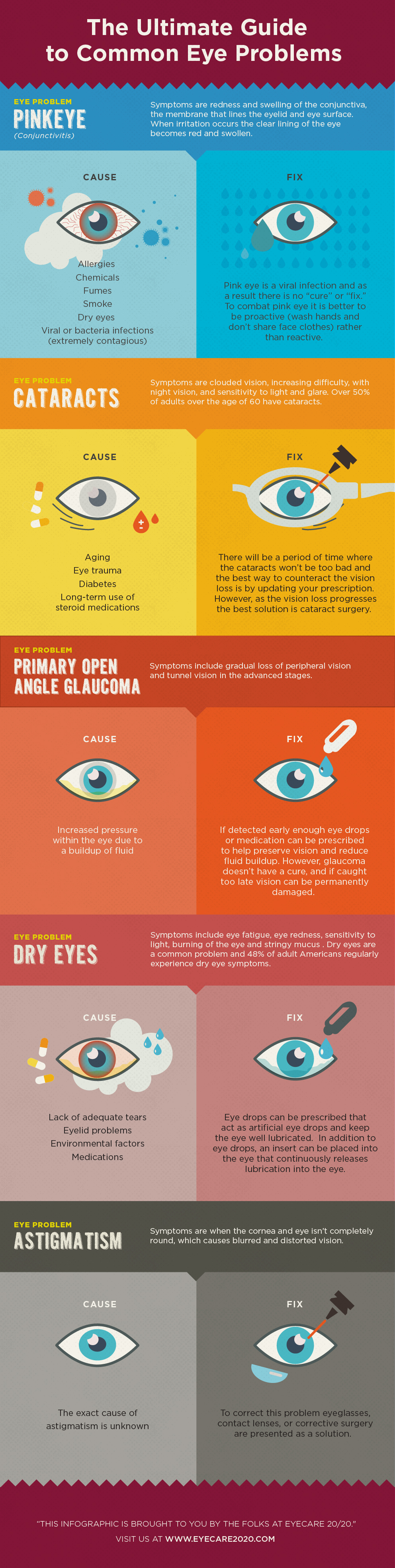
Refractive Lens Exchange supplies various benefits for individuals seeking vision correction. By changing your all-natural lens with an artificial intraocular lens, this procedure can fix a large range of vision troubles. https://www.benzinga.com/money/best-vision-insurance-in-texas/ of the major advantages of refractive lens exchange is the enhancement in visual acuity. Whether you're nearsighted, farsighted, or have astigmatism, this treatment can considerably enhance your capacity to see plainly without depending on glasses or call lenses.
Furthermore, refractive lens exchange can also prevent the progression of certain eye conditions, such as cataracts. This implies that not just will you achieve much better vision, yet you'll also have a reduced danger of developing cataracts in the future.
With refractive lens exchange, you can enjoy enhanced vision and a better of life.
The Treatment for Refractive Lens Exchange
When undergoing refractive lens exchange, the specialist will begin by making a little laceration in your cornea. This permits them to access the lens of your eye and remove it.
Here are five essential actions involved in the treatment:
- The doctor will thoroughly break up the lens utilizing ultrasound waves or lasers.
- After eliminating the lens, they'll place a brand-new artificial lens, called an intraocular lens (IOL), right into your eye.
- The IOL is created to remedy your details vision issues, such as nearsightedness, farsightedness, or astigmatism.
- Once the brand-new lens is in place, the surgeon will certainly close the cut with tiny stitches or self-sealing strategies.
- The entire treatment generally takes less than thirty minutes and is usually done on an outpatient basis.
Complying with these actions, refractive lens exchange can provide you with boosted vision and minimize your dependancy on glasses or get in touch with lenses.
Possible Risks of Refractive Lens Exchange
Before going through refractive lens exchange, it is necessary to comprehend the possible dangers related to the treatment. While refractive lens exchange is normally thought about safe, like any surgery, there are threats included.
One prospective danger is infection, which can occur if bacteria gets in the eye during or after the surgery. One more danger is the advancement of raised intraocular stress, which can result in glaucoma. Additionally, there's a small chance of experiencing corneal edema, which is the swelling of the cornea.
Various other prospective dangers include retinal detachment, macular edema, and loss of vision. visit this backlink to go over these threats with your doctor and consider them versus the possible advantages before choosing.
Final thought
So there you have it, people! Refractive lens exchange is really the future of vision correction. With its numerous advantages and improvements in innovation, this procedure uses a life-altering solution for those having problem with their vision.
But bear in mind, every rose has its thorns. While refractive lens exchange may bring clearness, it is necessary to be knowledgeable about the prospective threats involved. So, before taking the leap, weigh the advantages and disadvantages, and seek advice from your eye doctor.
Nevertheless, much better safe than sorry!